


How Do California Sustainable Restaurant Design Specialists Incorporate Eco-Friendly Practices?
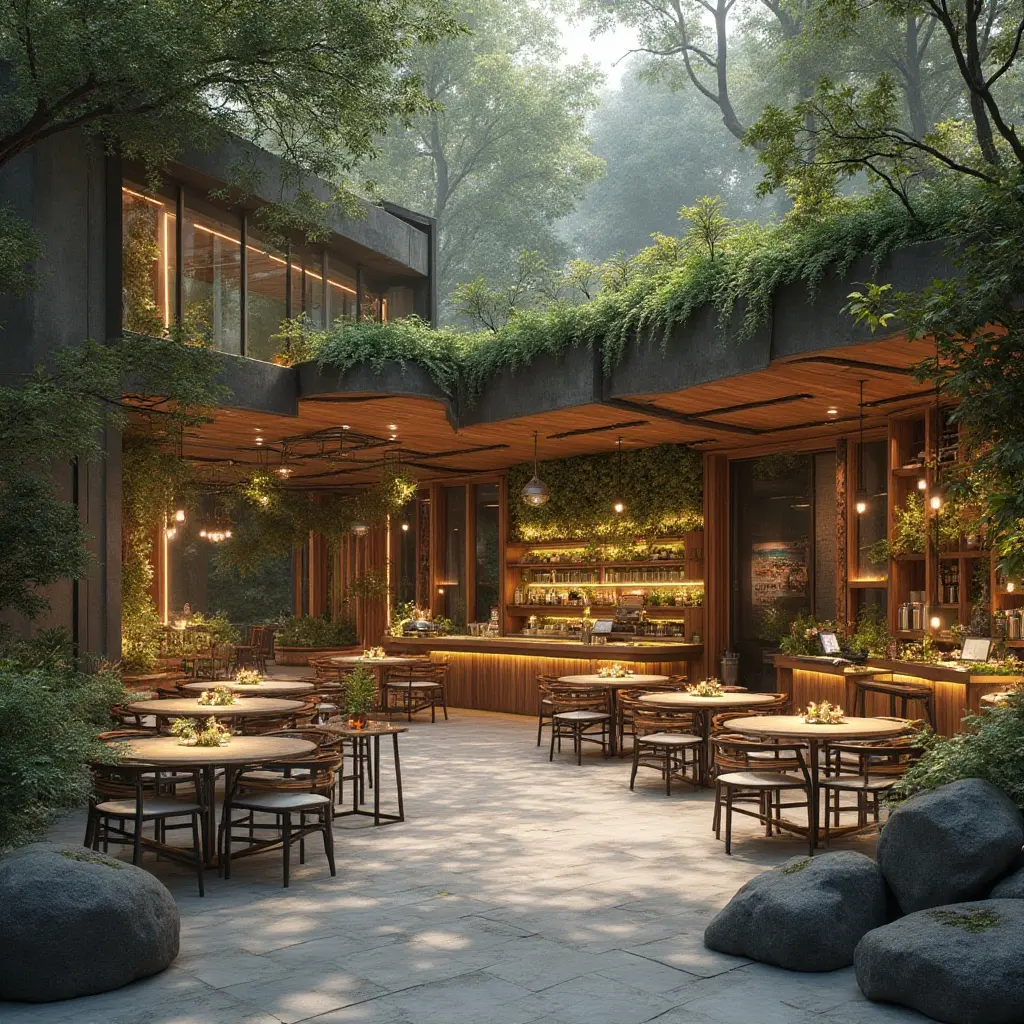
In recent years, the push for more sustainable and eco-friendly business practices has become a top priority in various industries. In California, sustainable restaurant design specialists have taken the lead in incorporating green initiatives into their projects. This FAQ blog will explore how these specialists create environmentally friendly dining spaces while maintaining aesthetic appeal and functionality.
Emphasizing the Use of Recycled and Sustainable Materials
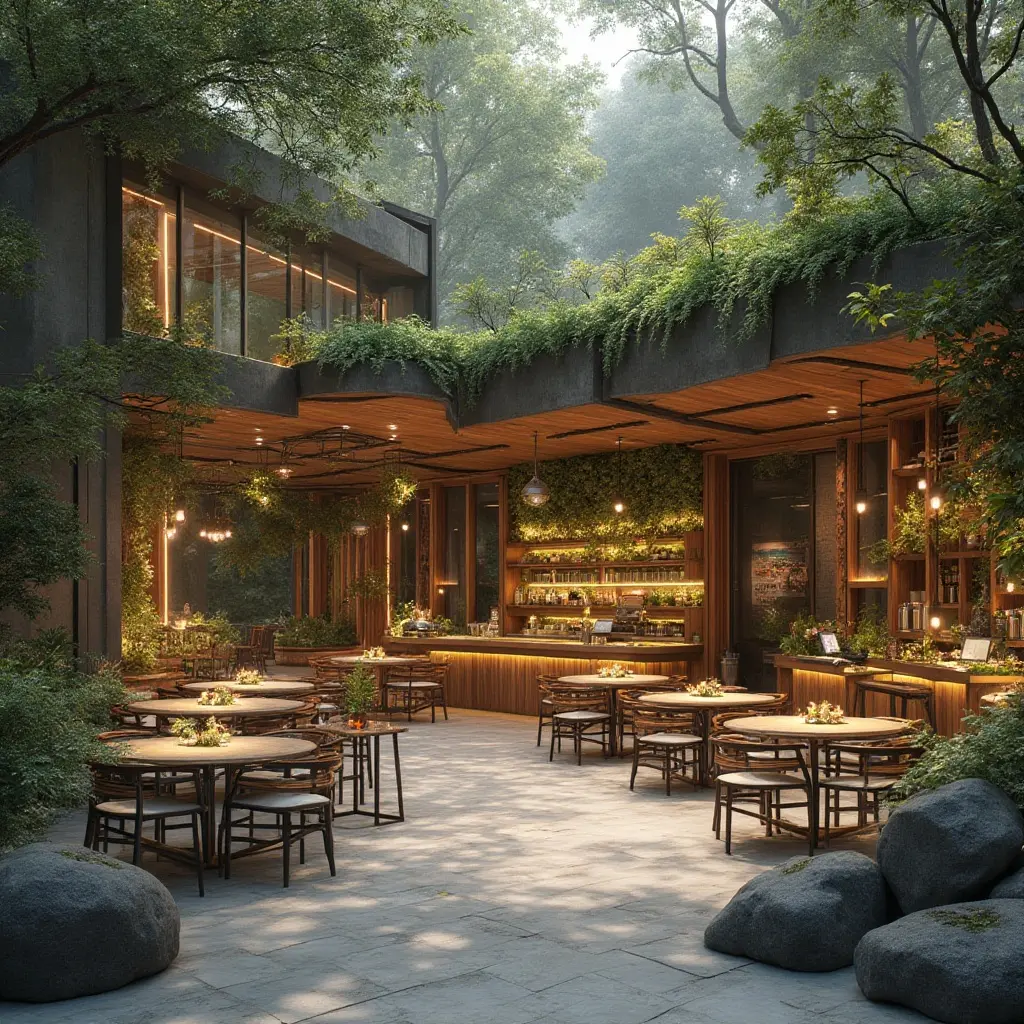
One vital aspect of sustainable design is selecting materials that have a minimal environmental impact. Specialists often opt for locally sourced materials, reclaimed wood, and recycled metals to reduce carbon footprint and promote circular economy principles.
The choice of using local materials not only benefits the environment but also supports the community and regional economy. By using items like reclaimed wood, professionals can repurpose resources that would otherwise contribute to waste, fostering a culture of upcycling.
Moreover, the emphasis on durable, long-lasting materials ensures that the restaurant’s design stands the test of time, reducing the need for frequent renovations. This approach aligns well with the principles of sustainability, focusing on creating value over the long term.
Incorporating Energy-Efficient Appliances and Lighting
Energy efficiency is key to sustainable restaurant design. Specialists recommend the use of high-efficiency appliances and LED lighting to reduce energy consumption, cut down on utility costs, and lessen environmental impact.
Advanced technology solutions like smart thermostats enhance energy management by allowing precise control over heating, cooling, and lighting schedules. This fine-tuning leads to significant energy savings while ensuring a comfortable dining environment.
Integrating energy-efficient systems goes hand-in-hand with California’s green building standards, which are stringent but necessary, given the state’s dedication to environmental responsibility. Compliance with these standards ensures that restaurants not only conserve energy but also adhere to important regulations.
Implementing Water Conservation Strategies
Water-saving techniques, such as low-flow faucets and efficient irrigation systems for outdoor spaces, are crucial. Specialists devise comprehensive plans to manage water usage effectively without sacrificing customer comfort or operational needs.
Another effective strategy is the installation of smart water management systems that monitor and optimize water usage in real-time. These systems help in identifying leaks and overuse, thus drastically reducing water wastage.
Rainwater harvesting systems are also being incorporated into restaurant designs where feasible, capturing rainwater for use in toilets or irrigation, thereby offering a cost-effective means to conserve water.
Designing with Indoor Air Quality in Mind
Ensuring good indoor air quality is essential for a sustainable and healthy dining environment. Specialists incorporate ventilation systems and select paints and finishes with low volatile organic compound (VOC) emissions to promote air purity.
Strategic placement of plants indoors is another innovative way to purify the air naturally. Many plants are known for their air-cleaning capabilities, offering a dual benefit of health and aesthetics in the restaurant setting.
Incorporating Green Spaces and Living Walls
Adding greenery is not only aesthetically pleasing but also improves air quality and provides natural cooling. Sustainable design specialists often include living walls and other green spaces to integrate natural elements into the restaurant’s layout.
By embracing biophilic design principles, which focus on our innate connection to nature, specialists create dining environments that enhance customer well-being and satisfaction, ultimately influencing return visits.
Embracing Sustainability in Restaurant Design
Incorporating eco-friendly practices in restaurant design is not only beneficial for the environment but also enhances the dining experience by creating a healthier, more attractive space. California sustainable restaurant design specialists are pioneers in this field, demonstrating that sustainability can be seamlessly integrated into the fabric of modern restaurant architecture.